Surface memory
Read the pattern, not one crack.
Raveling, connected cracking, depressions and old repairs create a history of movement. Photograph the wider pattern and the transitions—not only the worst spot.
Open the condition guide ↗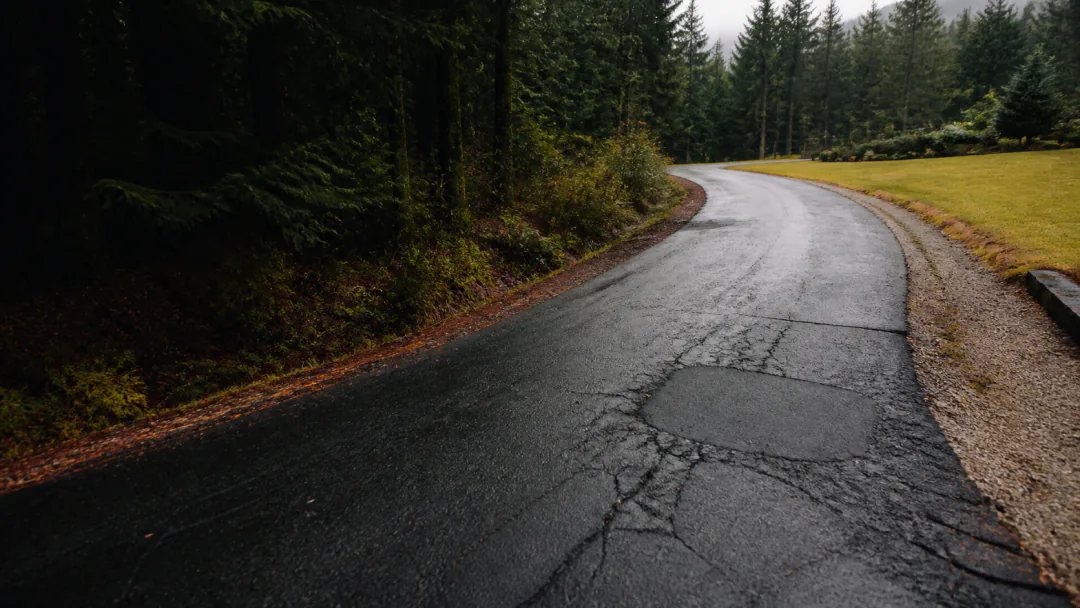

Acreage-first asphalt planning / Maple Ridge BC
Asphalt paving for Maple Ridge acreages, driveways and small commercial properties—scoped around the ground, the water and the way the property is actually used.
The Maple Ridge question
A smooth finish is the last chapter. The useful decision starts with what the existing surface, shoulders, drainage and traffic reveal.
This experience turns those clues into a clearer conversation about patching, resurfacing, base correction or full reconstruction—without pretending a screen can replace an on-site assessment.
Signature experience / Pavement memory
Move through the property as it actually behaves. Every chapter changes the visual evidence—not only the caption.
Map cracks, settlement and surface wear before selecting a treatment.
Surface memory
Raveling, connected cracking, depressions and old repairs create a history of movement. Photograph the wider pattern and the transitions—not only the worst spot.
Open the condition guide ↗Water path
Low edges, roof discharge, ditch and culvert conditions, and water that sits after rain can change the useful paving scope.
Investigate drainage and edges ↗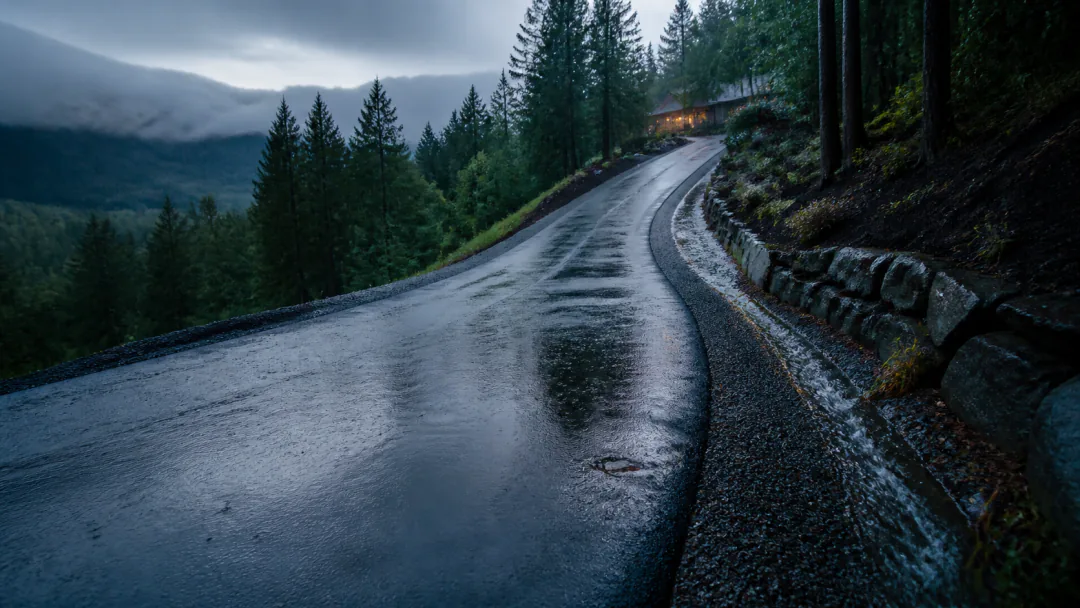
Edge + load
Unconfined shoulders, trailers, delivery vehicles, turning movements and long grades can matter as much as the surface area.
Prepare a driveway enquiry ↗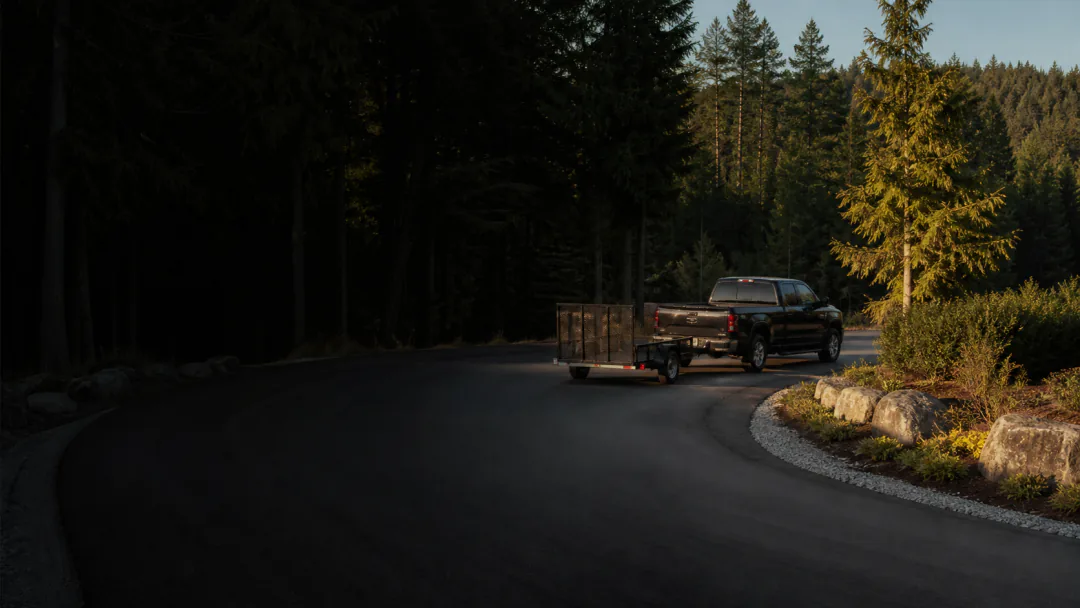
Renewal decision
An overlay and a rebuild may look similar on opening day. The decision is whether the existing structure, edges and drainage can support the next chapter.
Compare renewal options ↗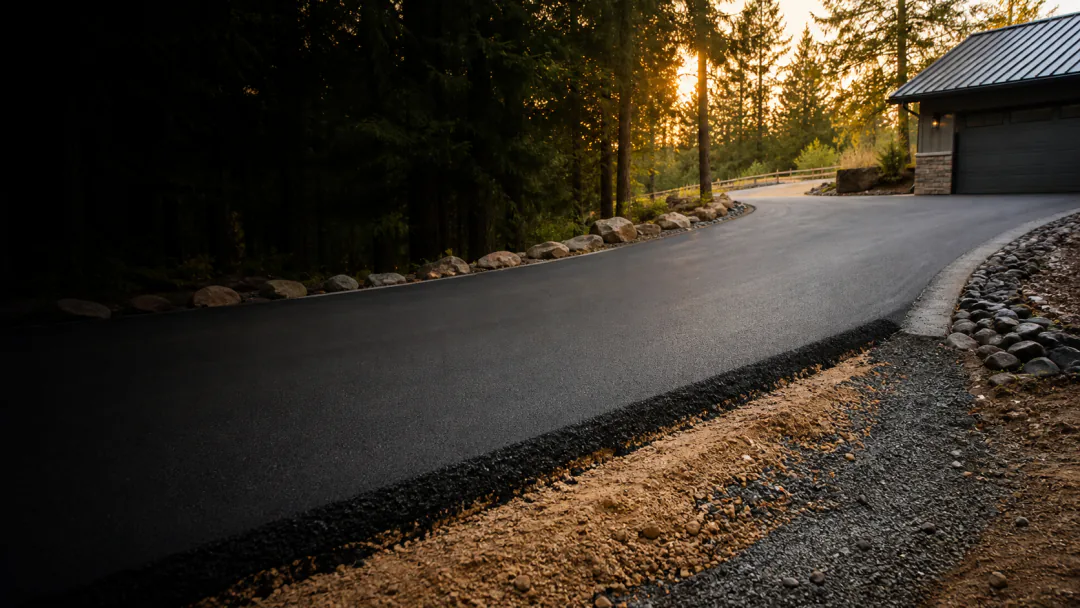
Start with the property
The page reorganizes the first questions around how the asphalt will be used. This worksheet is optional and never gates the short form.
Acreage field notes
Record length, grade, current material, soft zones, drainage crossings, trailer or service-vehicle use and space for equipment movement.
Interactive comparison
Move the lens. The top can look resolved while the section below tells a different story.
Services + decision pages
Six focused pages answer six different jobs: condition, method, driveway scope, shared property, drainage and quote comparison.
Cracks, settlement, edges, drainage and a safe photo record.
Read the surface ↗ 02Compare the evidence for overlay, milling, base work or reconstruction.
Compare options ↗ 03Measurements, access, grade, loading, transitions and restoration.
Scope the drive ↗ 04Stakeholders, access, phasing, markings and approval inputs.
Prepare the site ↗ 05Runoff, shoulder support, settlement and check-first boundaries.
Investigate below ↗ 06Compare inclusions, retain closeout records and inspect annually.
Build the ledger ↗How it works
Record the whole pattern, property use and known history.
Mark water, grades, access, edges and loading zones.
Separate surface treatment from structural correction questions.
Ask every quote to describe the same preparation, exclusions and closeout.
Why this approach
Specific observations make site conversations clearer and bid comparisons more useful. They do not replace professional review; they help you ask better questions when it happens.
Start with what has failed and how it behaves, not a preferred finish.
Trace runoff and ponding before a new surface fixes the grade in place.
Cars, trailers, deliveries and turning loads belong in the project brief.
Retain scope, dates, drainage notes and annual condition observations.
Maple Ridge property contexts
Urban driveways, hillside properties, rural access roads and shared sites create different questions. Coverage, access and municipal requirements must be confirmed for the exact address and scope.
Review the City pavement-program context ↗It may be discussed when the existing pavement and base appear sufficiently stable, drainage and elevations can accept the added layer, and the proposed preparation addresses visible distress. A site review is still required.
Movement, open joints or distress below can reflect into a new surface. The crack pattern, surrounding settlement and water conditions help determine which preparation questions belong in the scope.
Approximate dimensions, grade changes, current material, soft zones, drainage crossings, edge conditions, vehicle types, turning areas, access limits, photos and desired timing.
No. Final pricing and availability depend on the verified address, dimensions, access, drainage, base condition and the scope established after review.
Open a pavement record
Use the short form or call to discuss the address and project context. The visual worksheet above is optional.
Call the Maple Ridge line(778) 900-3103extension 227